
Wolfgang Krebs (Kabarettist)
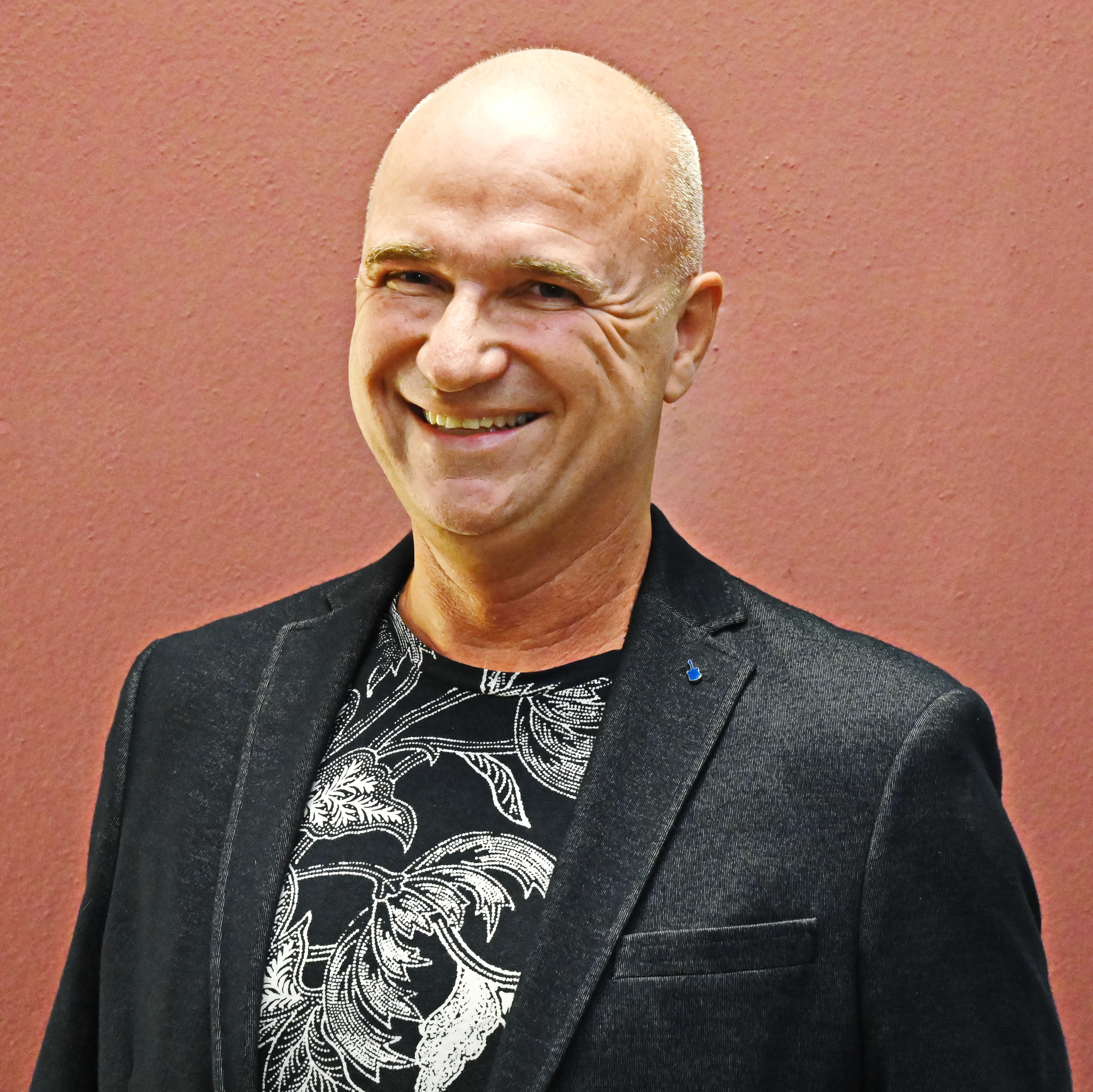
Image from Wikipedia
Image from Wikipedia
Wolfgang Krebs: Bavarian Cabaret with a Sharp Eye, Great Transformative Skills, and Unmistakable Stage Presence
An artist who distills politics, parody, and Bavarian lifestyle into a unique cosmos on stage
Wolfgang Krebs is one of the most distinctive voices in Bavarian cabaret. Born on August 31, 1966, in Seefeld in the Starnberg district, he evolved from an early enthusiastic stage child into a precise parodist, writer, and a fixture in the southern German cabaret scene. His career is characterized by linguistic wit, role changes, and a stage presence that dissects political figures as accurately as it entertains. ([de.wikipedia.org](https://de.wikipedia.org/wiki/Wolfgang_Krebs_%28Kabarettist%29))
Early Influences: Stage, Radio and the Path to Professional Cabaret
The foundations of his artistic development were laid early. According to his own biographical information, Krebs first performed on stage at the age of five; this was followed by student theater and local stage productions. After completing secondary school, he trained as a postal worker, later pursued further education through a second educational path, and then worked as a studio manager at Radio Ostallgäu, as well as in senior positions at ProSieben, Sat.1, and RTL II. These stages of his career illustrate an unusual path between media practice, speaking culture, and later stage career. ([de.wikipedia.org](https://de.wikipedia.org/wiki/Wolfgang_Krebs_%28Kabarettist%29))
Since 1988, Krebs has been involved in radio projects as a speaker, and from 1992, he expanded into theater performances, presentations, and radio segments. An acting workshop in Berlin and London further complemented his training and sharpened the comedic craft that would later define his solo programs and imitations. This blend of media experience, dialect familiarity, and observational skills led to a cabaret style that is pointed rather than loud. ([de.wikipedia.org](https://de.wikipedia.org/wiki/Wolfgang_Krebs_%28Kabarettist%29))
The Breakthrough as an Imitator: Stoiber, Beckstein, Seehofer, and the Art of Political Transformation
The actual breakthrough came through political parody. In 1993, Krebs first appeared as Bavarian Minister-President Edmund Stoiber, and in 2004, on the initiative of Georg Ried, he was brought in as a Stoiber imitator after a canceled stage performance in Schwabenweißblau. From January 2004, he became a regular presence in the closing number of the BR show "quer," where his imitations established him as a fixed comical institution. ([de.wikipedia.org](https://de.wikipedia.org/wiki/Wolfgang_Krebs_%28Kabarettist%29))
From there, his repertoire expanded. After Stoiber, he also parodied Günther Beckstein and Horst Seehofer, and later added Markus Söder, Hubert Aiwanger, Robert Habeck, and Joachim Herrmann. This ability to not only imitate political figures externally but to condense their demeanor, speech rhythm, and rhetorical pose makes Wolfgang Krebs recognizable to audiences and a significant figure in the Bavarian cabaret scene. ([de.wikipedia.org](https://de.wikipedia.org/wiki/Wolfgang_Krebs_%28Kabarettist%29))
From Radio to the Solo Stage: An Artist Mastering the Tone of the Nation
Between 2006 and July 2015, Krebs was heard daily as an imitator on Bayern 3; from 2007 onward, he focused full-time on cabaret and developed his own solo programs. This phase marked the development of his artistic signature: He works with characters, exaggeration, and precise timing while maintaining a connection to current political events. The result is a cabaret that is populist in the best sense and remains pointed. ([de.wikipedia.org](https://de.wikipedia.org/wiki/Wolfgang_Krebs_%28Kabarettist%29))
His solo programs include titles such as Die Stoiberschau, Ja mia kennan!, Drei Mann in einem Dings!, Können Sie Bayern?, Die Watschenbaum-Gala, Geh zu, bleib da!, Vergelt’s Gott!, Bavaria first! and, since 2025, Bayern liebt Dich!. These titles already indicate how deeply Krebs engages with the Bavarian language, social codes, and ironic self-description. His cabaret thrives on recognition but also on precise observations of political communication. ([de.wikipedia.org](https://de.wikipedia.org/wiki/Wolfgang_Krebs_%28Kabarettist%29))
Current Projects: Bayern liebt DICH! as a Satirical Mirror of the Present
With his current program Bayern liebt DICH!, Krebs continues his work at the intersection of politics, media, and pub culture. The official website describes the program as a current Bavarian cabaret solo around the media circus, in which Krebs performs “as always all alone on stage” while embodying many roles. The show revolves around social media, public perception, and the Bavarian tendency toward self-presentation. ([wolfgangkrebs.com](https://wolfgangkrebs.com/?utm_source=openai))
The current tour in 2026 includes numerous locations in Bavaria and beyond, including Haimhausen, Unterhaching, Stephanskirchen, Fürth, Munich, Greding, Dorfen, and other venues. The dense schedule emphasizes how present Krebs remains in live performances and how in-demand his stage work continues to be. His stage presence fully unfolds its effects in direct contact with the audience. ([wolfgangkrebs.com](https://wolfgangkrebs.com/?utm_source=openai))
Discography, Publications, and Documented Stage Cosmos
Although Wolfgang Krebs is not a musician in the classical sense, the documented release of his stage works forms part of his artistic profile. His discography includes the titles Ja, mia kennan! (2010), Drei Mann in einem Dings (2013), and Können Sie Bayern (2014). These releases capture his stage programs and function as sound archives of a cabaret artist who understands language, character, and rhythm as compositional tools. ([de.wikipedia.org](https://de.wikipedia.org/wiki/Wolfgang_Krebs_%28Kabarettist%29))
Additionally, there are books and hybrids of text and performance such as Sternreisen. Sieben Traumreisen für Kinder, Nur Bayern im Kopf!, Die Leberkäs-AG, Bayern-ABC, and Das Guglhupf Wunder. These publications expand his body of work with literary and satirical perspectives and demonstrate that Krebs cultivates a clear, humorously incisive language not only on stage but also in his written words. ([de.wikipedia.org](https://de.wikipedia.org/wiki/Wolfgang_Krebs_%28Kabarettist%29))
Style and Impact: Dialect, Character Cabaret, and Political Precision
The style of Wolfgang Krebs can be described as character cabaret with high observational density. He employs Bavarian idiomatic expressions, acoustic precision, and strong character portrayal that makes political milieus audible. His parodies gain their impact not from mere volume but from exact imitation of speech style, gestures, and political self-presentation. ([de.wikipedia.org](https://de.wikipedia.org/wiki/Wolfgang_Krebs_%28Kabarettist%29))
This is where his cultural value lies: Krebs translates Bavarian politics into stage language while exposing the mechanisms of public communication. His years of appearances in BR formats such as quer, Habe die Ehre, Asül für Alle, and Die Superbayern show his anchoring in public law cabaret and his role as a commentator on current politics. His humor remains rooted in the region but reaches beyond regional folklore. ([de.wikipedia.org](https://de.wikipedia.org/wiki/Wolfgang_Krebs_%28Kabarettist%29))
Awards, Recognition, and Cultural Impact
The awards testify to the impact of his work. Among the honors are the Arts and Culture Prize of the City of Kaufbeuren, admission to the Karl-Valentin Society, the Bavarian Order of Merit, and the Sigi-Sommer-Taler. These prizes confirm that Krebs is not only a popular favorite among audiences but also a culturally recognized representative of Bavarian cabaret. ([de.wikipedia.org](https://de.wikipedia.org/wiki/Wolfgang_Krebs_%28Kabarettist%29))
His impact extends into television, radio, and live cabaret. Through years of presence in BR formats, through his distinct character work on the Nockherberg stage, and through his solo evenings, he has become a key figure in southern German satire. Those who follow his work experience not only entertainment but a continuous record of Bavarian self-images over time. ([de.wikipedia.org](https://de.wikipedia.org/wiki/Wolfgang_Krebs_%28Kabarettist%29))
Voices from the Fans
Public reactions and community voices can be traced through Wolfgang Krebs' official social media channels. The official website refers to YouTube, Instagram, Facebook, and TikTok as the artist's platforms, making his digital presence visible in addition to his stage work. However, a robust evaluation of individual fan comments is not feasible without direct access to the platforms in this context. ([wolfgangkrebs.com](https://wolfgangkrebs.com/))
Conclusion: Why Wolfgang Krebs Remains So Captivating
Wolfgang Krebs combines cabaret, parody, and regional identity into a form of contemporary art that is sharply observed while remaining accessible. His biography tells of perseverance, media experience, and an artistic development that has created a distinctive voice through many stages. Those who appreciate political satire with a Bavarian timbre, clever character work, and genuine stage presence will find an artist of profile and substance here. ([de.wikipedia.org](https://de.wikipedia.org/wiki/Wolfgang_Krebs_%28Kabarettist%29))
Especially in live performances, the full quality of his work unfolds: the tempo changes, the characters, the precise punch lines, and the subtle play with political absurdity. Wolfgang Krebs remains captivating because he masters the language of his time while simultaneously exposing it. Experiencing him live means witnessing Bavarian cabaret in its most compact and pointed form. ([wolfgangkrebs.com](https://wolfgangkrebs.com/?utm_source=openai))
Official Channels of Wolfgang Krebs:
- Instagram: https://www.instagram.com/wolfgang_krebs/?hl=de
- Facebook: https://www.facebook.com/wolfgangkrebs66
- YouTube: https://www.youtube.com/channel/UCP3Pf72JPbh_-I-z3AWx0RQ
- Spotify: No official profile found
- TikTok: https://www.tiktok.com/%40wolfgang.krebs