

Ammersee
Traidtcasten, Unbekannte Straße, Dießen, Ammersee
Traidtcasten, Dießen | Events & Tickets
The Traidtcasten in Dießen am Ammersee is a place where history and present come together very directly. Those looking for events, tickets, or the current program will not find a faceless event space here, but rather a historical ensemble with a clear cultural profile. The Traidtcasten is located in the area of the Marienmünster and is part of the old monastery complex that continues to shape the town's image today. In the official information from the market of Dießen, the building is described as part of the complex around the Winterkirche St. Stephan; the former granary was converted into a multifunctional parish hall, while the former stable was transformed into the Winterkirche in 1978. Thus, the Traidtcasten is not only a venue but also a piece of living local history, used for dance evenings, lectures, readings, receptions, and exhibitions. This mixture of historical setting and practical use makes it particularly interesting for visitors. ([diessen.de](https://www.diessen.de/ortsplan))
For keyword searches, the topics of events, tickets, program, access, and parking are particularly relevant. This aligns well with the actual use of the house: The event calendar of the market of Dießen regularly features dates such as the dance into May, the autumn folk dance, various carnival formats, readings, and municipal receptions. At the same time, the Traidtcasten is closely associated with the Diessen pottery market and the ceramics prize, as exhibitions take place there, making the location a visible part of the cultural annual calendar at Ammersee. Those looking for a venue with character will not find a generic hall here, but rather a traditional place with clear recognizability, good accessibility, and a program strongly influenced by regional culture. ([diessen.de](https://www.diessen.de/kultur-freizeit/veranstaltungen/veranstaltungskalender/veranstaltung/tanz-in-den-mai))
Events, Program, and Tickets at Traidtcasten
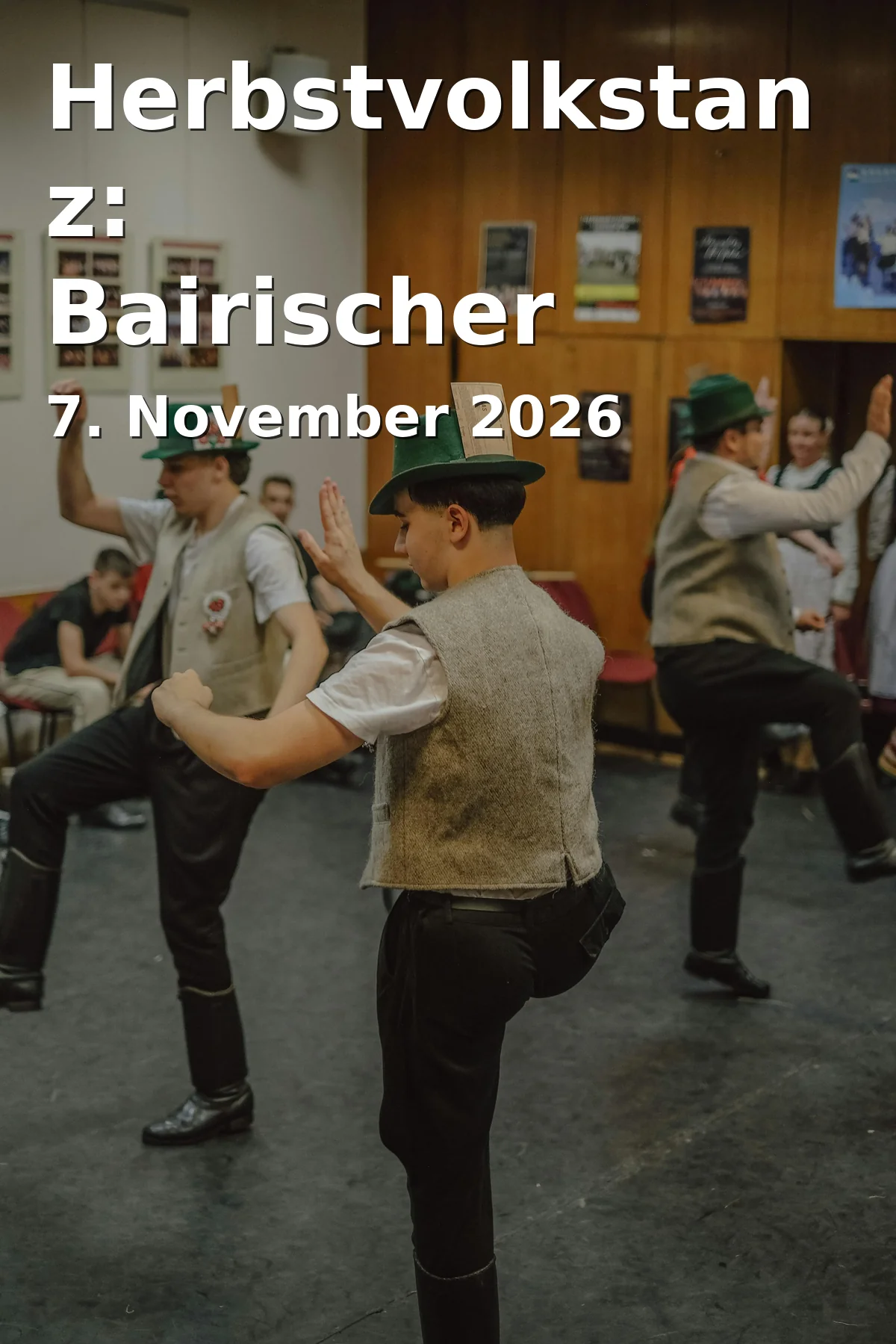
The topic of events is clearly the strongest search driver for this location. The Traidtcasten is repeatedly listed as a venue in the official calendar of the market of Dießen, for very different formats. A good example is the dance into May on April 30, 2026, which is announced with entry starting at 7 PM and tickets from 15 euros. There, waltzes, polkas, and the highlight, the Munich Française, will be danced; the musical accompaniment will be provided by the Aichacher Bauernmusi. Also typical is the autumn folk dance, which was advertised as a traditional dance evening with live music, dance master guidance, and table reservations. Such dates show that the Traidtcasten is primarily booked for events with atmosphere, tradition, and direct audience proximity. ([diessen.de](https://www.diessen.de/kultur-freizeit/veranstaltungen/veranstaltungskalender/veranstaltung/tanz-in-den-mai))
However, the program includes not only dance events. The Traidtcasten also hosts readings and lecture evenings, such as the reading with Götz Aly in May 2026, where entry was free and registration was requested. The New Year's reception of the market community also took place there in 2025, further confirming the location as a representative setting for public occasions. At the women’s carnival, a multi-day format with five performances was even announced, with reservations required to be made by phone. From an SEO perspective, this is particularly interesting: search queries for program, tickets, or reservations do not lead to a rigid permanent concept, but to a place that is used very differently depending on the occasion. This makes the Traidtcasten flexible, yet clearly defined. ([artemed.de](https://www.artemed.de/aktuelles/detailansicht/presseinfo-lesung-in-diessen-goetz-aly-ueber-die-frage-wie-konnte-das-geschehen))
Access and Parking at Klosterhof
When it comes to access, the location of the Traidtcasten is easy to describe but important for visitors to understand. The event entries usually name the location as Traidtcasten, Klosterhof 10, 86911 Dießen. A note from the psychosomatic clinic additionally mentions Klosterhof 10a and describes the entrance to the left of the main portal of the Marienmünster. This small deviation is not a contradiction in the strict sense, but shows that access in the historical ensemble can be slightly differently named depending on usage and organizer. Practically, this means: those coming for the first time should orient themselves to the Marienmünster and the Klosterhof location. Right there lies the cultural center of the ensemble, and access is clearly described in the event announcements. ([artemed.de](https://www.artemed.de/aktuelles/detailansicht/presseinfo-lesung-in-diessen-goetz-aly-ueber-die-frage-wie-konnte-das-geschehen))
For general travel, Dießen am Ammersee offers several options. The market points out that Dießen is located about 56 kilometers southwest of Munich, is connected to the A96, has a train station, and is complemented by a local bus and the Ammersee shipping. So, for those not arriving by car, there are understandable alternatives, especially on busy days. When it comes to parking, the area around Marienmünster and Klosterhof is particularly relevant: In the municipal parking plans, the Marienmünster parking lot is listed in Zone 2, as is the Klosterhof parking lot in Zone 1. Additionally, it is explained that at the parking lots in front of the Marienmünster and at Klosterhof, fees apply on Sundays and public holidays only from 12 PM. Another official announcement also points out that parking spaces further away for events at the Marienmünster or in the Traidtcasten are not a realistic alternative, which clearly indicates the parking pressure around the location. ([diessen.de](https://www.diessen.de/diessen-besuchen/planen-und-informieren/anreise))
History and Architecture of the Traidtcasten
Historically, the Traidtcasten is much more than just a hall in a good location. The official local description names the building as the Marstall and Traidtcasten of the monastery built in 1627. Thus, it belongs to an ensemble that is directly connected to the monastery and church landscape of Dießen. The term Traidtcasten refers to a granary, thus indicating a former economic function that later transitioned into a cultural and ecclesiastical use. This transformation is typical for places that are reinterpreted over time without losing their character. The Traidtcasten is therefore not simply an event location, but a historical building with a clear origin and visibly further developed use. ([diessen.de](https://www.diessen.de/ortsplan))
Particularly interesting is the connection to the Winterkirche St. Stephan. The market of Dießen describes that the former stable was converted into a Winterkirche by Josef Wiedemann in 1978, and the former granary above was expanded into a multifunctional parish hall. This explains why many current events take place in a space that simultaneously feels practical, traditional, and atmospheric. Through its location in the area of the Marienmünster, the place additionally receives a strong architectural and spiritual framing. For visitors, this creates a distinctive impression: here, Baroque church, Klosterhof, and event space meet in a form that is not found in modern multipurpose halls. This close intertwining of history and present is one of the strongest reasons why the Traidtcasten is so present in search queries and in local cultural life. ([diessen.de](https://www.diessen.de/ortsplan))
Seating, Hall Atmosphere, and Equipment
For practical planning, capacity is an important topic. At a public event in the Traidtcasten, 150 seats were mentioned. This is not a huge size, but therein lies the charm of the place: the space is large enough for lively events, yet remains manageable and personal. From this number, it can be cautiously inferred that the Traidtcasten is particularly well suited for formats with audience proximity, such as readings, dance evenings, cultural discussions, small concerts, or ceremonial acts. In a smaller to medium setting, such evenings often feel more intense because the stage, hall, and audience come closer together. This effect is not an official property statement but a reasonable conclusion drawn from the capacity and the documented event types. ([kreiskulturtage-landsberg.de](https://kreiskulturtage-landsberg.de/project/kein-licht-ohne-schatten/))
Additionally, the Traidtcasten is described for certain events as being accessible and having free parking available in the vicinity. For a lecture of the Kreiskulturtage, 150 seats, barrier-free access, and free parking in the vicinity were indicated. At the same time, dance and carnival formats show that catering is also offered in the hall: at the autumn folk dance, warm meals, snacks, and coffee and cake were mentioned, while the women’s carnival additionally featured good food and drink. This makes the place not only functional but also hospitable. Thus, those inquiring about seating, hall atmosphere, or equipment should understand the Traidtcasten as a charming, flexibly used space that thrives on its historical shell and proximity to the audience. ([kreiskulturtage-landsberg.de](https://kreiskulturtage-landsberg.de/project/kein-licht-ohne-schatten/))
Tickets, Reservations, and Admission
The search term tickets is particularly relevant for the Traidtcasten due to the specific event practices. There is no uniform ticket model for the location itself, but rather event-related solutions. For the dance into May, the admission was 15 euros, for the autumn folk dance 14 euros, and for the women’s carnival 11 euros. Other events, such as the reading with Götz Aly, were offered free of charge, although registration was requested. This mixture is typical for a place with a local cultural profile: sometimes a classic admission fee is charged, sometimes free participation is possible, and sometimes a phone reservation is explicitly necessary. Therefore, those looking for tickets should always check the specific date and not assume a central ticket shop. ([diessen.de](https://www.diessen.de/kultur-freizeit/veranstaltungen/veranstaltungskalender/veranstaltung/tanz-in-den-mai))
This is particularly evident at the women’s carnival. There, pre-sales were announced from a certain date, and tickets could only be reserved by phone. The autumn folk dance also recommended making a reservation with the Kaindl family to secure a spot. This shows that the Traidtcasten is often used for highly sought-after, rather family-oriented events where personal registration and limited seating go hand in hand. For search engines, this is relevant because users searching for terms like tickets, reservations, admission, or pre-sale typically do not just seek general information but expect an immediate action option. The Traidtcasten meets this need not through a central permanent shop but through the respective event page and direct contact with the organizer. ([diessen.de](https://www.diessen.de/kultur-freizeit/veranstaltungen/veranstaltungskalender/veranstaltung/endlich-wieder-frauenbundfasching-5/2026-02-11?cHash=a1437da95b7663b885f51966213f565e))
The Traidtcasten in the Cultural Year around Ceramics, Dance, and Festivals
One of the strongest features of the Traidtcasten is its role in the context of the Diessen pottery market. For the pottery market 2026, the market of Dießen announces more than 170 ceramicists from 11 countries; highlights include the ceramics prize and exhibitions in the Traidtcasten and the Taubenturm. Thus, the location is not just an occasional backdrop but part of an internationally recognized ceramics festival at Ammersee. Even the official description emphasizes that the Diessen pottery market is one of the most important industry gatherings of the contemporary ceramics scene. Therefore, those searching for ceramics prize, exhibition, or pottery market in connection with the Traidtcasten will find a very concrete and current answer here. In this context, the location fulfills a representative function because the awarded works and the jury are displayed in a historical space that visibly enhances the character of the festival. ([diessen.de](https://www.diessen.de/kultur-freizeit/veranstaltungen/diessener-toepfermarkt))
Beyond ceramics, the Traidtcasten is also closely linked to regional culture and community life. The autumn folk dance shows the role of the place for Bavarian dance culture, the dance into May combines traditional music with social interaction, and the women’s carnival brings together several performances in a compact event window. Additionally, there are readings, health lectures, and representative receptions such as the New Year's reception of the community. This breadth is important for SEO because it clearly shows that the Traidtcasten cannot be reduced to a single event format. It is rather a cultural multipurpose venue with historical identity that is repeatedly used throughout the year, thereby maintaining its recognizability. Those searching for events in Dießen will discover a place where tradition does not feel museum-like but is regularly translated into concrete experiences. ([diessen.de](https://www.diessen.de/kultur-freizeit/veranstaltungen/veranstaltungskalender/veranstaltung/tanz-in-den-mai))
Sources:
- Market Dießen am Ammersee - Dance into May ([diessen.de](https://www.diessen.de/kultur-freizeit/veranstaltungen/veranstaltungskalender/veranstaltung/tanz-in-den-mai))
- Market Dießen am Ammersee - Diessen Pottery Market ([diessen.de](https://www.diessen.de/kultur-freizeit/veranstaltungen/diessener-toepfermarkt))
- Market Dießen am Ammersee - Local Map ([diessen.de](https://www.diessen.de/ortsplan))
- Market Dießen am Ammersee - Parking in Dießen ([diessen.de](https://www.diessen.de/fileadmin/Gemeinde/Dateien/Ortsrecht/Ordnungsamt/Parken_2025_v2_online.pdf))
- Psychosomatic Clinic Kloster Dießen - Reading with Götz Aly ([artemed.de](https://www.artemed.de/aktuelles/detailansicht/presseinfo-lesung-in-diessen-goetz-aly-ueber-die-frage-wie-konnte-das-geschehen))
Mehr anzeigenWeniger anzeigen
Traidtcasten, Dießen | Events & Tickets
The Traidtcasten in Dießen am Ammersee is a place where history and present come together very directly. Those looking for events, tickets, or the current program will not find a faceless event space here, but rather a historical ensemble with a clear cultural profile. The Traidtcasten is located in the area of the Marienmünster and is part of the old monastery complex that continues to shape the town's image today. In the official information from the market of Dießen, the building is described as part of the complex around the Winterkirche St. Stephan; the former granary was converted into a multifunctional parish hall, while the former stable was transformed into the Winterkirche in 1978. Thus, the Traidtcasten is not only a venue but also a piece of living local history, used for dance evenings, lectures, readings, receptions, and exhibitions. This mixture of historical setting and practical use makes it particularly interesting for visitors. ([diessen.de](https://www.diessen.de/ortsplan))
For keyword searches, the topics of events, tickets, program, access, and parking are particularly relevant. This aligns well with the actual use of the house: The event calendar of the market of Dießen regularly features dates such as the dance into May, the autumn folk dance, various carnival formats, readings, and municipal receptions. At the same time, the Traidtcasten is closely associated with the Diessen pottery market and the ceramics prize, as exhibitions take place there, making the location a visible part of the cultural annual calendar at Ammersee. Those looking for a venue with character will not find a generic hall here, but rather a traditional place with clear recognizability, good accessibility, and a program strongly influenced by regional culture. ([diessen.de](https://www.diessen.de/kultur-freizeit/veranstaltungen/veranstaltungskalender/veranstaltung/tanz-in-den-mai))
Events, Program, and Tickets at Traidtcasten
The topic of events is clearly the strongest search driver for this location. The Traidtcasten is repeatedly listed as a venue in the official calendar of the market of Dießen, for very different formats. A good example is the dance into May on April 30, 2026, which is announced with entry starting at 7 PM and tickets from 15 euros. There, waltzes, polkas, and the highlight, the Munich Française, will be danced; the musical accompaniment will be provided by the Aichacher Bauernmusi. Also typical is the autumn folk dance, which was advertised as a traditional dance evening with live music, dance master guidance, and table reservations. Such dates show that the Traidtcasten is primarily booked for events with atmosphere, tradition, and direct audience proximity. ([diessen.de](https://www.diessen.de/kultur-freizeit/veranstaltungen/veranstaltungskalender/veranstaltung/tanz-in-den-mai))
However, the program includes not only dance events. The Traidtcasten also hosts readings and lecture evenings, such as the reading with Götz Aly in May 2026, where entry was free and registration was requested. The New Year's reception of the market community also took place there in 2025, further confirming the location as a representative setting for public occasions. At the women’s carnival, a multi-day format with five performances was even announced, with reservations required to be made by phone. From an SEO perspective, this is particularly interesting: search queries for program, tickets, or reservations do not lead to a rigid permanent concept, but to a place that is used very differently depending on the occasion. This makes the Traidtcasten flexible, yet clearly defined. ([artemed.de](https://www.artemed.de/aktuelles/detailansicht/presseinfo-lesung-in-diessen-goetz-aly-ueber-die-frage-wie-konnte-das-geschehen))
Access and Parking at Klosterhof
When it comes to access, the location of the Traidtcasten is easy to describe but important for visitors to understand. The event entries usually name the location as Traidtcasten, Klosterhof 10, 86911 Dießen. A note from the psychosomatic clinic additionally mentions Klosterhof 10a and describes the entrance to the left of the main portal of the Marienmünster. This small deviation is not a contradiction in the strict sense, but shows that access in the historical ensemble can be slightly differently named depending on usage and organizer. Practically, this means: those coming for the first time should orient themselves to the Marienmünster and the Klosterhof location. Right there lies the cultural center of the ensemble, and access is clearly described in the event announcements. ([artemed.de](https://www.artemed.de/aktuelles/detailansicht/presseinfo-lesung-in-diessen-goetz-aly-ueber-die-frage-wie-konnte-das-geschehen))
For general travel, Dießen am Ammersee offers several options. The market points out that Dießen is located about 56 kilometers southwest of Munich, is connected to the A96, has a train station, and is complemented by a local bus and the Ammersee shipping. So, for those not arriving by car, there are understandable alternatives, especially on busy days. When it comes to parking, the area around Marienmünster and Klosterhof is particularly relevant: In the municipal parking plans, the Marienmünster parking lot is listed in Zone 2, as is the Klosterhof parking lot in Zone 1. Additionally, it is explained that at the parking lots in front of the Marienmünster and at Klosterhof, fees apply on Sundays and public holidays only from 12 PM. Another official announcement also points out that parking spaces further away for events at the Marienmünster or in the Traidtcasten are not a realistic alternative, which clearly indicates the parking pressure around the location. ([diessen.de](https://www.diessen.de/diessen-besuchen/planen-und-informieren/anreise))
History and Architecture of the Traidtcasten
Historically, the Traidtcasten is much more than just a hall in a good location. The official local description names the building as the Marstall and Traidtcasten of the monastery built in 1627. Thus, it belongs to an ensemble that is directly connected to the monastery and church landscape of Dießen. The term Traidtcasten refers to a granary, thus indicating a former economic function that later transitioned into a cultural and ecclesiastical use. This transformation is typical for places that are reinterpreted over time without losing their character. The Traidtcasten is therefore not simply an event location, but a historical building with a clear origin and visibly further developed use. ([diessen.de](https://www.diessen.de/ortsplan))
Particularly interesting is the connection to the Winterkirche St. Stephan. The market of Dießen describes that the former stable was converted into a Winterkirche by Josef Wiedemann in 1978, and the former granary above was expanded into a multifunctional parish hall. This explains why many current events take place in a space that simultaneously feels practical, traditional, and atmospheric. Through its location in the area of the Marienmünster, the place additionally receives a strong architectural and spiritual framing. For visitors, this creates a distinctive impression: here, Baroque church, Klosterhof, and event space meet in a form that is not found in modern multipurpose halls. This close intertwining of history and present is one of the strongest reasons why the Traidtcasten is so present in search queries and in local cultural life. ([diessen.de](https://www.diessen.de/ortsplan))
Seating, Hall Atmosphere, and Equipment
For practical planning, capacity is an important topic. At a public event in the Traidtcasten, 150 seats were mentioned. This is not a huge size, but therein lies the charm of the place: the space is large enough for lively events, yet remains manageable and personal. From this number, it can be cautiously inferred that the Traidtcasten is particularly well suited for formats with audience proximity, such as readings, dance evenings, cultural discussions, small concerts, or ceremonial acts. In a smaller to medium setting, such evenings often feel more intense because the stage, hall, and audience come closer together. This effect is not an official property statement but a reasonable conclusion drawn from the capacity and the documented event types. ([kreiskulturtage-landsberg.de](https://kreiskulturtage-landsberg.de/project/kein-licht-ohne-schatten/))
Additionally, the Traidtcasten is described for certain events as being accessible and having free parking available in the vicinity. For a lecture of the Kreiskulturtage, 150 seats, barrier-free access, and free parking in the vicinity were indicated. At the same time, dance and carnival formats show that catering is also offered in the hall: at the autumn folk dance, warm meals, snacks, and coffee and cake were mentioned, while the women’s carnival additionally featured good food and drink. This makes the place not only functional but also hospitable. Thus, those inquiring about seating, hall atmosphere, or equipment should understand the Traidtcasten as a charming, flexibly used space that thrives on its historical shell and proximity to the audience. ([kreiskulturtage-landsberg.de](https://kreiskulturtage-landsberg.de/project/kein-licht-ohne-schatten/))
Tickets, Reservations, and Admission
The search term tickets is particularly relevant for the Traidtcasten due to the specific event practices. There is no uniform ticket model for the location itself, but rather event-related solutions. For the dance into May, the admission was 15 euros, for the autumn folk dance 14 euros, and for the women’s carnival 11 euros. Other events, such as the reading with Götz Aly, were offered free of charge, although registration was requested. This mixture is typical for a place with a local cultural profile: sometimes a classic admission fee is charged, sometimes free participation is possible, and sometimes a phone reservation is explicitly necessary. Therefore, those looking for tickets should always check the specific date and not assume a central ticket shop. ([diessen.de](https://www.diessen.de/kultur-freizeit/veranstaltungen/veranstaltungskalender/veranstaltung/tanz-in-den-mai))
This is particularly evident at the women’s carnival. There, pre-sales were announced from a certain date, and tickets could only be reserved by phone. The autumn folk dance also recommended making a reservation with the Kaindl family to secure a spot. This shows that the Traidtcasten is often used for highly sought-after, rather family-oriented events where personal registration and limited seating go hand in hand. For search engines, this is relevant because users searching for terms like tickets, reservations, admission, or pre-sale typically do not just seek general information but expect an immediate action option. The Traidtcasten meets this need not through a central permanent shop but through the respective event page and direct contact with the organizer. ([diessen.de](https://www.diessen.de/kultur-freizeit/veranstaltungen/veranstaltungskalender/veranstaltung/endlich-wieder-frauenbundfasching-5/2026-02-11?cHash=a1437da95b7663b885f51966213f565e))
The Traidtcasten in the Cultural Year around Ceramics, Dance, and Festivals
One of the strongest features of the Traidtcasten is its role in the context of the Diessen pottery market. For the pottery market 2026, the market of Dießen announces more than 170 ceramicists from 11 countries; highlights include the ceramics prize and exhibitions in the Traidtcasten and the Taubenturm. Thus, the location is not just an occasional backdrop but part of an internationally recognized ceramics festival at Ammersee. Even the official description emphasizes that the Diessen pottery market is one of the most important industry gatherings of the contemporary ceramics scene. Therefore, those searching for ceramics prize, exhibition, or pottery market in connection with the Traidtcasten will find a very concrete and current answer here. In this context, the location fulfills a representative function because the awarded works and the jury are displayed in a historical space that visibly enhances the character of the festival. ([diessen.de](https://www.diessen.de/kultur-freizeit/veranstaltungen/diessener-toepfermarkt))
Beyond ceramics, the Traidtcasten is also closely linked to regional culture and community life. The autumn folk dance shows the role of the place for Bavarian dance culture, the dance into May combines traditional music with social interaction, and the women’s carnival brings together several performances in a compact event window. Additionally, there are readings, health lectures, and representative receptions such as the New Year's reception of the community. This breadth is important for SEO because it clearly shows that the Traidtcasten cannot be reduced to a single event format. It is rather a cultural multipurpose venue with historical identity that is repeatedly used throughout the year, thereby maintaining its recognizability. Those searching for events in Dießen will discover a place where tradition does not feel museum-like but is regularly translated into concrete experiences. ([diessen.de](https://www.diessen.de/kultur-freizeit/veranstaltungen/veranstaltungskalender/veranstaltung/tanz-in-den-mai))
Sources:
- Market Dießen am Ammersee - Dance into May ([diessen.de](https://www.diessen.de/kultur-freizeit/veranstaltungen/veranstaltungskalender/veranstaltung/tanz-in-den-mai))
- Market Dießen am Ammersee - Diessen Pottery Market ([diessen.de](https://www.diessen.de/kultur-freizeit/veranstaltungen/diessener-toepfermarkt))
- Market Dießen am Ammersee - Local Map ([diessen.de](https://www.diessen.de/ortsplan))
- Market Dießen am Ammersee - Parking in Dießen ([diessen.de](https://www.diessen.de/fileadmin/Gemeinde/Dateien/Ortsrecht/Ordnungsamt/Parken_2025_v2_online.pdf))
- Psychosomatic Clinic Kloster Dießen - Reading with Götz Aly ([artemed.de](https://www.artemed.de/aktuelles/detailansicht/presseinfo-lesung-in-diessen-goetz-aly-ueber-die-frage-wie-konnte-das-geschehen))
Traidtcasten, Dießen | Events & Tickets
The Traidtcasten in Dießen am Ammersee is a place where history and present come together very directly. Those looking for events, tickets, or the current program will not find a faceless event space here, but rather a historical ensemble with a clear cultural profile. The Traidtcasten is located in the area of the Marienmünster and is part of the old monastery complex that continues to shape the town's image today. In the official information from the market of Dießen, the building is described as part of the complex around the Winterkirche St. Stephan; the former granary was converted into a multifunctional parish hall, while the former stable was transformed into the Winterkirche in 1978. Thus, the Traidtcasten is not only a venue but also a piece of living local history, used for dance evenings, lectures, readings, receptions, and exhibitions. This mixture of historical setting and practical use makes it particularly interesting for visitors. ([diessen.de](https://www.diessen.de/ortsplan))
For keyword searches, the topics of events, tickets, program, access, and parking are particularly relevant. This aligns well with the actual use of the house: The event calendar of the market of Dießen regularly features dates such as the dance into May, the autumn folk dance, various carnival formats, readings, and municipal receptions. At the same time, the Traidtcasten is closely associated with the Diessen pottery market and the ceramics prize, as exhibitions take place there, making the location a visible part of the cultural annual calendar at Ammersee. Those looking for a venue with character will not find a generic hall here, but rather a traditional place with clear recognizability, good accessibility, and a program strongly influenced by regional culture. ([diessen.de](https://www.diessen.de/kultur-freizeit/veranstaltungen/veranstaltungskalender/veranstaltung/tanz-in-den-mai))
Events, Program, and Tickets at Traidtcasten
The topic of events is clearly the strongest search driver for this location. The Traidtcasten is repeatedly listed as a venue in the official calendar of the market of Dießen, for very different formats. A good example is the dance into May on April 30, 2026, which is announced with entry starting at 7 PM and tickets from 15 euros. There, waltzes, polkas, and the highlight, the Munich Française, will be danced; the musical accompaniment will be provided by the Aichacher Bauernmusi. Also typical is the autumn folk dance, which was advertised as a traditional dance evening with live music, dance master guidance, and table reservations. Such dates show that the Traidtcasten is primarily booked for events with atmosphere, tradition, and direct audience proximity. ([diessen.de](https://www.diessen.de/kultur-freizeit/veranstaltungen/veranstaltungskalender/veranstaltung/tanz-in-den-mai))
However, the program includes not only dance events. The Traidtcasten also hosts readings and lecture evenings, such as the reading with Götz Aly in May 2026, where entry was free and registration was requested. The New Year's reception of the market community also took place there in 2025, further confirming the location as a representative setting for public occasions. At the women’s carnival, a multi-day format with five performances was even announced, with reservations required to be made by phone. From an SEO perspective, this is particularly interesting: search queries for program, tickets, or reservations do not lead to a rigid permanent concept, but to a place that is used very differently depending on the occasion. This makes the Traidtcasten flexible, yet clearly defined. ([artemed.de](https://www.artemed.de/aktuelles/detailansicht/presseinfo-lesung-in-diessen-goetz-aly-ueber-die-frage-wie-konnte-das-geschehen))
Access and Parking at Klosterhof
When it comes to access, the location of the Traidtcasten is easy to describe but important for visitors to understand. The event entries usually name the location as Traidtcasten, Klosterhof 10, 86911 Dießen. A note from the psychosomatic clinic additionally mentions Klosterhof 10a and describes the entrance to the left of the main portal of the Marienmünster. This small deviation is not a contradiction in the strict sense, but shows that access in the historical ensemble can be slightly differently named depending on usage and organizer. Practically, this means: those coming for the first time should orient themselves to the Marienmünster and the Klosterhof location. Right there lies the cultural center of the ensemble, and access is clearly described in the event announcements. ([artemed.de](https://www.artemed.de/aktuelles/detailansicht/presseinfo-lesung-in-diessen-goetz-aly-ueber-die-frage-wie-konnte-das-geschehen))
For general travel, Dießen am Ammersee offers several options. The market points out that Dießen is located about 56 kilometers southwest of Munich, is connected to the A96, has a train station, and is complemented by a local bus and the Ammersee shipping. So, for those not arriving by car, there are understandable alternatives, especially on busy days. When it comes to parking, the area around Marienmünster and Klosterhof is particularly relevant: In the municipal parking plans, the Marienmünster parking lot is listed in Zone 2, as is the Klosterhof parking lot in Zone 1. Additionally, it is explained that at the parking lots in front of the Marienmünster and at Klosterhof, fees apply on Sundays and public holidays only from 12 PM. Another official announcement also points out that parking spaces further away for events at the Marienmünster or in the Traidtcasten are not a realistic alternative, which clearly indicates the parking pressure around the location. ([diessen.de](https://www.diessen.de/diessen-besuchen/planen-und-informieren/anreise))
History and Architecture of the Traidtcasten
Historically, the Traidtcasten is much more than just a hall in a good location. The official local description names the building as the Marstall and Traidtcasten of the monastery built in 1627. Thus, it belongs to an ensemble that is directly connected to the monastery and church landscape of Dießen. The term Traidtcasten refers to a granary, thus indicating a former economic function that later transitioned into a cultural and ecclesiastical use. This transformation is typical for places that are reinterpreted over time without losing their character. The Traidtcasten is therefore not simply an event location, but a historical building with a clear origin and visibly further developed use. ([diessen.de](https://www.diessen.de/ortsplan))
Particularly interesting is the connection to the Winterkirche St. Stephan. The market of Dießen describes that the former stable was converted into a Winterkirche by Josef Wiedemann in 1978, and the former granary above was expanded into a multifunctional parish hall. This explains why many current events take place in a space that simultaneously feels practical, traditional, and atmospheric. Through its location in the area of the Marienmünster, the place additionally receives a strong architectural and spiritual framing. For visitors, this creates a distinctive impression: here, Baroque church, Klosterhof, and event space meet in a form that is not found in modern multipurpose halls. This close intertwining of history and present is one of the strongest reasons why the Traidtcasten is so present in search queries and in local cultural life. ([diessen.de](https://www.diessen.de/ortsplan))
Seating, Hall Atmosphere, and Equipment
For practical planning, capacity is an important topic. At a public event in the Traidtcasten, 150 seats were mentioned. This is not a huge size, but therein lies the charm of the place: the space is large enough for lively events, yet remains manageable and personal. From this number, it can be cautiously inferred that the Traidtcasten is particularly well suited for formats with audience proximity, such as readings, dance evenings, cultural discussions, small concerts, or ceremonial acts. In a smaller to medium setting, such evenings often feel more intense because the stage, hall, and audience come closer together. This effect is not an official property statement but a reasonable conclusion drawn from the capacity and the documented event types. ([kreiskulturtage-landsberg.de](https://kreiskulturtage-landsberg.de/project/kein-licht-ohne-schatten/))
Additionally, the Traidtcasten is described for certain events as being accessible and having free parking available in the vicinity. For a lecture of the Kreiskulturtage, 150 seats, barrier-free access, and free parking in the vicinity were indicated. At the same time, dance and carnival formats show that catering is also offered in the hall: at the autumn folk dance, warm meals, snacks, and coffee and cake were mentioned, while the women’s carnival additionally featured good food and drink. This makes the place not only functional but also hospitable. Thus, those inquiring about seating, hall atmosphere, or equipment should understand the Traidtcasten as a charming, flexibly used space that thrives on its historical shell and proximity to the audience. ([kreiskulturtage-landsberg.de](https://kreiskulturtage-landsberg.de/project/kein-licht-ohne-schatten/))
Tickets, Reservations, and Admission
The search term tickets is particularly relevant for the Traidtcasten due to the specific event practices. There is no uniform ticket model for the location itself, but rather event-related solutions. For the dance into May, the admission was 15 euros, for the autumn folk dance 14 euros, and for the women’s carnival 11 euros. Other events, such as the reading with Götz Aly, were offered free of charge, although registration was requested. This mixture is typical for a place with a local cultural profile: sometimes a classic admission fee is charged, sometimes free participation is possible, and sometimes a phone reservation is explicitly necessary. Therefore, those looking for tickets should always check the specific date and not assume a central ticket shop. ([diessen.de](https://www.diessen.de/kultur-freizeit/veranstaltungen/veranstaltungskalender/veranstaltung/tanz-in-den-mai))
This is particularly evident at the women’s carnival. There, pre-sales were announced from a certain date, and tickets could only be reserved by phone. The autumn folk dance also recommended making a reservation with the Kaindl family to secure a spot. This shows that the Traidtcasten is often used for highly sought-after, rather family-oriented events where personal registration and limited seating go hand in hand. For search engines, this is relevant because users searching for terms like tickets, reservations, admission, or pre-sale typically do not just seek general information but expect an immediate action option. The Traidtcasten meets this need not through a central permanent shop but through the respective event page and direct contact with the organizer. ([diessen.de](https://www.diessen.de/kultur-freizeit/veranstaltungen/veranstaltungskalender/veranstaltung/endlich-wieder-frauenbundfasching-5/2026-02-11?cHash=a1437da95b7663b885f51966213f565e))
The Traidtcasten in the Cultural Year around Ceramics, Dance, and Festivals
One of the strongest features of the Traidtcasten is its role in the context of the Diessen pottery market. For the pottery market 2026, the market of Dießen announces more than 170 ceramicists from 11 countries; highlights include the ceramics prize and exhibitions in the Traidtcasten and the Taubenturm. Thus, the location is not just an occasional backdrop but part of an internationally recognized ceramics festival at Ammersee. Even the official description emphasizes that the Diessen pottery market is one of the most important industry gatherings of the contemporary ceramics scene. Therefore, those searching for ceramics prize, exhibition, or pottery market in connection with the Traidtcasten will find a very concrete and current answer here. In this context, the location fulfills a representative function because the awarded works and the jury are displayed in a historical space that visibly enhances the character of the festival. ([diessen.de](https://www.diessen.de/kultur-freizeit/veranstaltungen/diessener-toepfermarkt))
Beyond ceramics, the Traidtcasten is also closely linked to regional culture and community life. The autumn folk dance shows the role of the place for Bavarian dance culture, the dance into May combines traditional music with social interaction, and the women’s carnival brings together several performances in a compact event window. Additionally, there are readings, health lectures, and representative receptions such as the New Year's reception of the community. This breadth is important for SEO because it clearly shows that the Traidtcasten cannot be reduced to a single event format. It is rather a cultural multipurpose venue with historical identity that is repeatedly used throughout the year, thereby maintaining its recognizability. Those searching for events in Dießen will discover a place where tradition does not feel museum-like but is regularly translated into concrete experiences. ([diessen.de](https://www.diessen.de/kultur-freizeit/veranstaltungen/veranstaltungskalender/veranstaltung/tanz-in-den-mai))
Sources:
- Market Dießen am Ammersee - Dance into May ([diessen.de](https://www.diessen.de/kultur-freizeit/veranstaltungen/veranstaltungskalender/veranstaltung/tanz-in-den-mai))
- Market Dießen am Ammersee - Diessen Pottery Market ([diessen.de](https://www.diessen.de/kultur-freizeit/veranstaltungen/diessener-toepfermarkt))
- Market Dießen am Ammersee - Local Map ([diessen.de](https://www.diessen.de/ortsplan))
- Market Dießen am Ammersee - Parking in Dießen ([diessen.de](https://www.diessen.de/fileadmin/Gemeinde/Dateien/Ortsrecht/Ordnungsamt/Parken_2025_v2_online.pdf))
- Psychosomatic Clinic Kloster Dießen - Reading with Götz Aly ([artemed.de](https://www.artemed.de/aktuelles/detailansicht/presseinfo-lesung-in-diessen-goetz-aly-ueber-die-frage-wie-konnte-das-geschehen))
Frequently Asked Questions
Reviews
No reviews found