
Starnberg
Possenhofener Str. 5, 82319 Starnberg, Deutschland
Museum Starnberger See | Opening Hours & Exhibitions
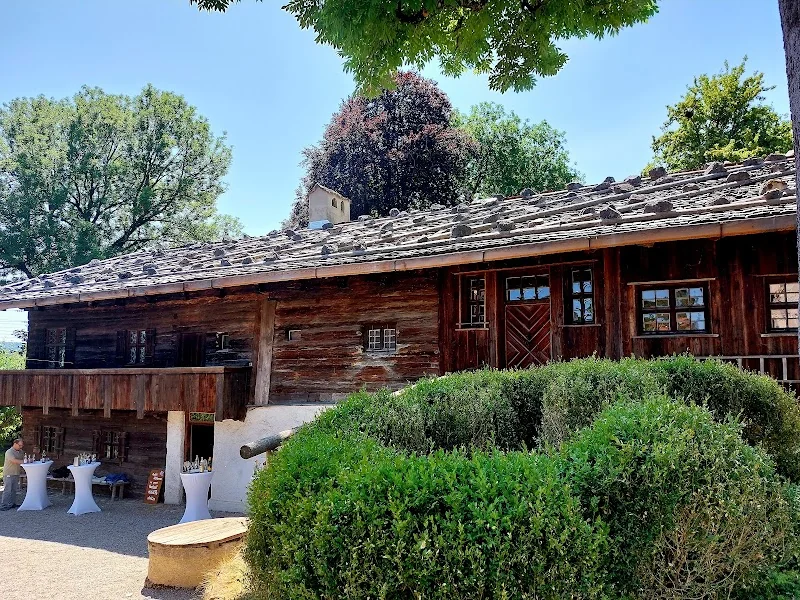
The Museum Starnberger See connects the historic Lochmannhaus, the modern extension, and a garden with old trees to a place where regional history, art, and the present come together. It is just a few steps from the lakeshore and the train station, was founded from a civic initiative, and is now a museum for cultural, social, and art historical topics. In the museum and garden café, the visit can end peacefully, while the house itself, with its long history, changing exhibitions, and its special location at Starnberger See attracts visitors for a short detour as well as for a longer museum stay. ([starnberg.de](https://www.starnberg.de/buergerservice-verwaltung/stadtverwaltung/aemter-und-staedtische-einrichtungen/museum-starnberger-see))
Opening Hours, Prices, and Getting to Museum Starnberger See
Those looking for the opening hours of the Museum Starnberger See will find clear and well-planned visiting times: Wednesday to Friday from 2:00 PM to 6:00 PM, Saturday, Sunday, and public holidays from 11:00 AM to 6:00 PM. It is closed on Mondays and Tuesdays, as well as on December 24th and 31st. For school classes and groups, times outside regular opening hours can be opened upon request. During exhibition renovations, it may happen that certain areas are not accessible. This makes planning uncomplicated, especially if one wants to combine a museum visit with a walk by the lake or an appointment in the city. ([museum-starnberger-see.de](https://www.museum-starnberger-see.de/besuch/oeffnungszeiten-und-preise?utm_source=openai))
The museum is also transparent regarding prices. The regular admission is 7 euros, reduced 5 euros, families pay 8 euros, and groups of ten or more pay 5 euros per person. Children and teenagers under 18 have free admission. Particularly attractive is the museum Sunday: Every first Sunday of the month, admission costs only 1 euro. This makes the house suitable for both spontaneous visits and planned family outings, for art enthusiasts and for guests looking for a weather-independent activity in Starnberg. Especially on rainy days, the museum is a logical address for a quiet cultural moment by the lake. ([museum-starnberger-see.de](https://www.museum-starnberger-see.de/besuch/oeffnungszeiten-und-preise?utm_source=openai))
Getting there is also uncomplicated. By train, the museum can be reached from Munich in about 20 to 30 minutes via the Starnberg (Lake) station; from there, a short walk of about three minutes along the lake leads to the museum. Additionally, bus line 964 stops directly in front of the house. For those arriving by car, follow the signs to Starnberg (Lake) station and then the directions to the museum. Parking is available between the train station square and the museum, and there are two disabled parking spaces available in front of the house. Tour buses can stop in front of the museum for boarding and alighting; designated bus parking spaces are located at Starnberg (Lake) station. This makes the museum comfortably accessible for groups as well. ([museum-starnberger-see.de](https://www.museum-starnberger-see.de/besuch/anreise?utm_source=openai))
A practical visiting experience also includes that the museum has been designed to be barrier-free. The entrance on Possenhofener Straße is accessible, all exhibition and visitor rooms in the new building are accessible via elevator, and there is a disabled-friendly toilet in the museum and café. For guided tours and lectures, an inductive hearing system is available, and folding chairs are provided; guide dogs for the blind and disabled are allowed with appropriate certification. The historic Lochmannhaus is only partially barrier-free due to its structure, but this tension between the listed substance and modern accessibility clearly shapes the character of the house. ([museum-starnberger-see.de](https://www.museum-starnberger-see.de/besuch/anreise?utm_source=openai))
Exhibitions and Events at Starnberger See
When it comes to the Museum Starnberger See exhibition, it is worth taking a look at the current program, as the house consciously works with changing presentations, events, and thematic focuses. The current page includes the exhibition Ludwig II The Last Days of the Fairy Tale King, the chamber play Contemporary Art in the Local Museum, and Meaning and Society – The Museum as Atelier with the period from May 17 to September 13, 2026. This shows that the museum not only deals with classical regional history but also addresses contemporary art, memory culture, and social issues. So, those looking for events at Museum Starnberger See will find no static calendar here, but a lively program with changing occasions. ([museum-starnberger-see.de](https://www.museum-starnberger-see.de/ausstellungen/aktuell))
A particularly good example of this is the project Chamber Play. It uses the historic Lochmannhaus, the founding site of the museum, as an exhibition space and as the most important collection object at the same time. The series considers itself as work in the smallest and most inconspicuous room of historical architecture, namely in a hidden chamber behind the kitchen. From Josefi to Martini, nine artists or collectives are invited to fill the chamber with art; various media are allowed, and the respective openings take place at 7 PM. The project is curated by Elisabeth Carr, Ulrike Prusseit, Katja Sebald, and museum director Benjamin Tillig. This mixture of historical space, curatorial precision, and contemporary art makes the museum particularly relevant for inquiries about art and events. ([museum-starnberger-see.de](https://www.museum-starnberger-see.de/ausstellungen/vorschau/kammerspiel))
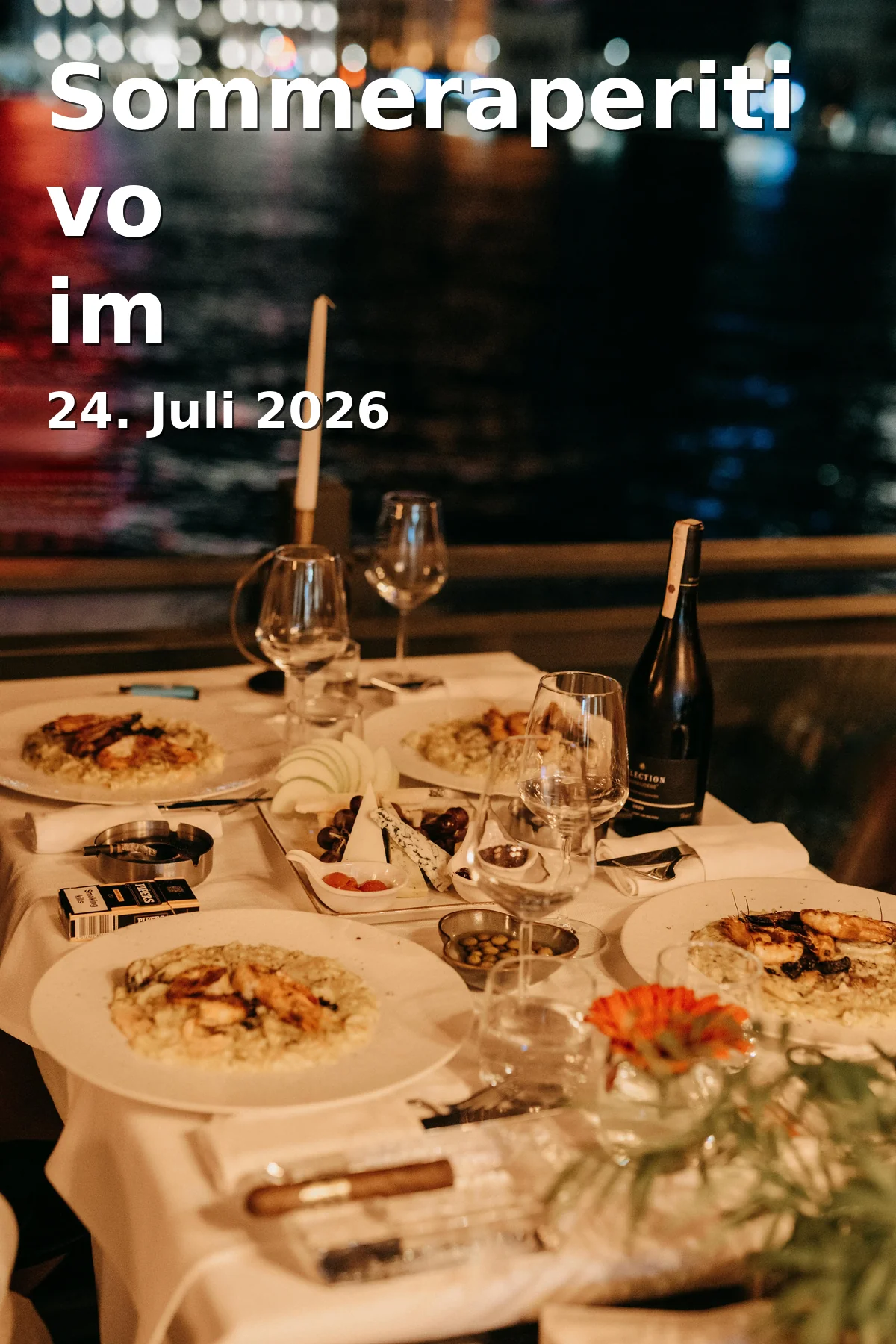
The events page also shows how strongly the museum focuses on encounters. There, one can find, for example, museum Sundays with 1 euro admission, openings of exhibitions, and special formats like the Summer Aperitivo at Museum Starnberger See. These program points make the house interesting not only for the classic museum visit but also for people looking for a cultural evening event, a family-friendly Sunday, or a compact program in Starnberg. The official website consciously links exhibitions, mediation, and event formats together. This is exactly what creates the special position of the museum: It is both a space of history, an art place, and a platform for current topics by the lake. ([museum-starnberger-see.de](https://www.museum-starnberger-see.de/veranstaltungen))
Weddings at Museum Starnberger See: Registry Office in Lochmannhaus
When searching for Museum Starnberger See wedding or Museum Starnberger See registry office, the path leads directly to Lochmannhaus. The city of Starnberg explicitly names the museum as a wedding venue; on the museum's page, it is described as a special place whose history dates back to the early 16th century. The historic building still stands in its original location, just a few steps from the lake and a few minutes' walk from the train station. The municipal page explains that one can get married at Museum Starnberger See, and the museum itself emphasizes that selected rooms of the historic house as well as outdoor areas can be used for weddings and festive receptions. Thus, the house is open not only for visits but also for personal life events. ([starnberg.de](https://www.starnberg.de/buergerservice-verwaltung/was-erledige-ich-wo/leistungen/eheschliessung/))
For couples, the flexible use is particularly attractive. Weddings can take place in the farmer's parlor or in the orchard in front of the house; the choice of room is made in consultation with the museum, and the actual marriage ceremony is conducted by the Starnberg registry office by appointment. Up to 25 guests can be accommodated in the historic rooms, and up to 50 under the fruit trees in the garden. After the ceremony, a reception is possible in the garden or courtyard, and in case of bad weather, also in the museum café. The museum can provide garden furniture and chilled drinks, and a private tour can also be arranged. This makes the civil wedding a very complete experience that combines historical atmosphere and practical organization. ([museum-starnberger-see.de](https://www.museum-starnberger-see.de/besuch/heiraten))
The conditions are also clearly regulated. For weddings at the museum, a flat fee of 390 euros is charged, plus cleaning costs for rented furniture and costs for drinks depending on selection. It is also important to coordinate the desired date with the registry office before reserving at the museum. The official information is aimed at both couples from Starnberg and couples from outside, which underscores the museum's role as a sought-after wedding venue beyond the region. So, those looking for a wedding at Starnberger See not only get a beautiful backdrop here but also a concretely organized, officially recognized, and historically charged place to start their life together. ([museum-starnberger-see.de](https://www.museum-starnberger-see.de/besuch/heiraten))
History, Lochmannhaus, and King Ludwig III.
The history of Museum Starnberger See begins with a civic initiative. Originally, the institution was called Museum for the Würmseegau and arose from the desire to preserve the cultural and art historical heritage of the region. A key driver was the doctor Martin Penzl, who is also credited with the acquisition of important artworks. As a museum building, the initiative group purchased the Lochmannhaus on June 8, 1912, with financial support from the city of Starnberg, and on February 23, 1913, an administrative association was founded. Even these early dates show that the museum was understood from the beginning as a community project that connected regional identity and historical responsibility. ([museum-starnberger-see.de](https://www.museum-starnberger-see.de/museum/geschichte?utm_source=openai))
Particularly impressive is the view of the opening. On July 9, 1914, shortly before World War I, the museum was ceremoniously opened; among the guests was also King Ludwig III., Bavaria's last monarch, with his wife and other princesses. This connection explains why inquiries such as Museum Starnberger See Ludwig or Museum Starnberger See King Ludwig are not coincidental: The royal history is indeed part of the museum's biography. After the dissolution of the association under the Nazi regime, responsibility passed to the city, and after the war, the house remained under municipal sponsorship. After a restoration of the Lochmannhaus, the museum was reopened in 1985 as a local museum; in 2008, a modern extension was added, and the institution was named Museum Starnberger See. ([museum-starnberger-see.de](https://www.museum-starnberger-see.de/en/museum/history?utm_source=openai))
The Lochmannhaus itself is much more than just a building. According to the museum's page, parts of the house were already built in the early 16th century; the oaks for the magnificent ceiling and the wall paneling on the upper floor were felled in 1520. In its current form, the house dates back to a renovation or reconstruction around 1691 to 1693. It was both a fisherman's and farmer's house as well as a seat of authority, and the two floors were originally structurally separated. The upper apartment was more elaborately furnished because it was reserved for the nobility, while the tenant family lived below. The fact that the house was directly on the lake until the opening of the railway line in 1865 and was once surrounded by an orchard explains why the museum garden today feels so harmonious. ([museum-starnberger-see.de](https://www.museum-starnberger-see.de/en/exhibitions/collection/lochmann-house?utm_source=openai))
Art, Collection, and Underwater History
The collection of Museum Starnberger See makes it very clear how broad the house is positioned. Since its founding, regional everyday goods have been collected as well as fine arts, and after more than 100 years, the collection has grown to more than 6000 objects. Among the outstanding pieces are the Lochmannhaus as the first exhibit and museum building, the Starnberger Holy by Ignaz Günther from 1755, the Delphin as the last remaining boat from the ceremonial shipping fleet of the Bavarian dukes and kings, and a copy of the Great Map of Bavaria by Philipp Apian from 1563. This makes it clear why the museum cannot be reduced to a single discipline: Here, art, everyday history, cartography, and shipping history come together directly. ([museum-starnberger-see.de](https://www.museum-starnberger-see.de/ausstellungen/sammlung))
The permanent exhibition titled Courtly Shipping and Lake History continues this logic. Over several levels of the new building, it primarily traces the history of boats and ships on Starnberger See. The early and fishing history is represented by an original dugout canoe, as used by fishermen until the 19th century; the oldest dugout found at Starnberger See is dated to 900 BC. At the same time, the courtly shipping of the Bavarian dukes and kings is made visible, as well as the development of the railway line, steam shipping, and villa colonies around the lake. This connection of mobility, social, and cultural history makes the permanent exhibition a strong anchor point for searches related to Museum Starnberger See art and Museum Starnberger See underwater at the same time. ([museum-starnberger-see.de](https://www.museum-starnberger-see.de/hoefische-schifffahrt-und-seegeschichte))
Particularly exciting is the current exhibition Under Water, which intertwines nature, archaeology, history, and art. The texts of the exhibition address the protection of Starnberger See as a Ramsar area since 1976, tell of the disappearance of fisherman Johann Martin Bernwieser in 1969, address the Bernried dugout at a depth of 40 meters, and show the traces of the Rose Island as a UNESCO World Heritage Site and archaeological monument. Additionally, modern research is included: The German Aerospace Center documents selected underwater areas with an autonomous underwater vehicle and creates high-resolution 3D models of the lakebed. In the artistic level, Eduardo Palomares works with sand, mud, and salt, so that art and science do not stand side by side but illuminate each other. ([museum-starnberger-see.de](https://www.museum-starnberger-see.de/ausstellungen/aktuell/unter-wasser/ausstellungstexte))
Children, Tours, and Barrier-Free Museum Visit
For families, schools, and younger visitors, the Museum Starnberger See is consciously designed to be open. On the page for kindergartens, schools, and youth groups, it explicitly states that children, teenagers, and young adults are always welcome. The museum educational mediation is understood as a central task, and through guided tours, workshops, creative offers, and projects, access to history, art, and culture is created. Particularly practical: The creative tours are suitable for people aged 4 to 16 years, last about 1.5 hours, and can be tailored to the respective group. Admission is free for school classes, and the group size is up to 25 participants. Thus, the house becomes a real place of learning and not just an exhibition site. ([museum-starnberger-see.de](https://www.museum-starnberger-see.de/erlebnisse/kinder-und-jugendliche))
Group tours also target a broad audience. Exclusive tours offer groups of up to 20 people an individual introduction to the topics and exhibitions of the museum. People of all ages can ask questions, choose focal points, and find their own way through the museum together with a cultural mediator. The tours last about 1 to 1.5 hours, cost 85 euros plus admission, and can also be booked as family tours. This format is ideal for guests looking for Museum Starnberger See children, Museum Starnberger See art, or a quiet excursion destination with depth, as it combines knowledge, dialogue, and a personal visit experience. ([museum-starnberger-see.de](https://www.museum-starnberger-see.de/erlebnisse/fuehrungen))
Additionally, the good quality of the visit on-site is noteworthy. The museum is accessible via the entrance on Possenhofener Straße, all exhibition and visitor rooms in the new building are accessible by elevator, and there is a disabled-friendly toilet in the museum and café. An inductive hearing system is available for tours and lectures, folding chairs can be used in the exhibition rooms, and guide dogs for the blind and disabled are allowed with appropriate certification. The historic Lochmannhaus is only partially barrier-free due to its structure, but this contrast between the listed substance and contemporary accessibility adds to the charm of the house. Those planning a visit will find not only content here but also a well-thought-out infrastructure for different needs. ([museum-starnberger-see.de](https://www.museum-starnberger-see.de/besuch/anreise?utm_source=openai))
Sources:
- City of Starnberg – Museum Starnberger See
- Museum Starnberger See – History
- Museum Starnberger See – Opening Hours and Prices
- Museum Starnberger See – Getting There
- Museum Starnberger See – Weddings at the Museum
- Museum Starnberger See – Current
- Museum Starnberger See – Collection
- Museum Starnberger See – Permanent Exhibition
- Museum Starnberger See – Under Water Exhibition Texts
- Museum Starnberger See – Kindergartens, Schools, and Youth Groups
- Museum Starnberger See – Tours
- Museum Starnberger See – Events
Mehr anzeigenWeniger anzeigen
Museum Starnberger See | Opening Hours & Exhibitions
The Museum Starnberger See connects the historic Lochmannhaus, the modern extension, and a garden with old trees to a place where regional history, art, and the present come together. It is just a few steps from the lakeshore and the train station, was founded from a civic initiative, and is now a museum for cultural, social, and art historical topics. In the museum and garden café, the visit can end peacefully, while the house itself, with its long history, changing exhibitions, and its special location at Starnberger See attracts visitors for a short detour as well as for a longer museum stay. ([starnberg.de](https://www.starnberg.de/buergerservice-verwaltung/stadtverwaltung/aemter-und-staedtische-einrichtungen/museum-starnberger-see))
Opening Hours, Prices, and Getting to Museum Starnberger See
Those looking for the opening hours of the Museum Starnberger See will find clear and well-planned visiting times: Wednesday to Friday from 2:00 PM to 6:00 PM, Saturday, Sunday, and public holidays from 11:00 AM to 6:00 PM. It is closed on Mondays and Tuesdays, as well as on December 24th and 31st. For school classes and groups, times outside regular opening hours can be opened upon request. During exhibition renovations, it may happen that certain areas are not accessible. This makes planning uncomplicated, especially if one wants to combine a museum visit with a walk by the lake or an appointment in the city. ([museum-starnberger-see.de](https://www.museum-starnberger-see.de/besuch/oeffnungszeiten-und-preise?utm_source=openai))
The museum is also transparent regarding prices. The regular admission is 7 euros, reduced 5 euros, families pay 8 euros, and groups of ten or more pay 5 euros per person. Children and teenagers under 18 have free admission. Particularly attractive is the museum Sunday: Every first Sunday of the month, admission costs only 1 euro. This makes the house suitable for both spontaneous visits and planned family outings, for art enthusiasts and for guests looking for a weather-independent activity in Starnberg. Especially on rainy days, the museum is a logical address for a quiet cultural moment by the lake. ([museum-starnberger-see.de](https://www.museum-starnberger-see.de/besuch/oeffnungszeiten-und-preise?utm_source=openai))
Getting there is also uncomplicated. By train, the museum can be reached from Munich in about 20 to 30 minutes via the Starnberg (Lake) station; from there, a short walk of about three minutes along the lake leads to the museum. Additionally, bus line 964 stops directly in front of the house. For those arriving by car, follow the signs to Starnberg (Lake) station and then the directions to the museum. Parking is available between the train station square and the museum, and there are two disabled parking spaces available in front of the house. Tour buses can stop in front of the museum for boarding and alighting; designated bus parking spaces are located at Starnberg (Lake) station. This makes the museum comfortably accessible for groups as well. ([museum-starnberger-see.de](https://www.museum-starnberger-see.de/besuch/anreise?utm_source=openai))
A practical visiting experience also includes that the museum has been designed to be barrier-free. The entrance on Possenhofener Straße is accessible, all exhibition and visitor rooms in the new building are accessible via elevator, and there is a disabled-friendly toilet in the museum and café. For guided tours and lectures, an inductive hearing system is available, and folding chairs are provided; guide dogs for the blind and disabled are allowed with appropriate certification. The historic Lochmannhaus is only partially barrier-free due to its structure, but this tension between the listed substance and modern accessibility clearly shapes the character of the house. ([museum-starnberger-see.de](https://www.museum-starnberger-see.de/besuch/anreise?utm_source=openai))
Exhibitions and Events at Starnberger See
When it comes to the Museum Starnberger See exhibition, it is worth taking a look at the current program, as the house consciously works with changing presentations, events, and thematic focuses. The current page includes the exhibition Ludwig II The Last Days of the Fairy Tale King, the chamber play Contemporary Art in the Local Museum, and Meaning and Society – The Museum as Atelier with the period from May 17 to September 13, 2026. This shows that the museum not only deals with classical regional history but also addresses contemporary art, memory culture, and social issues. So, those looking for events at Museum Starnberger See will find no static calendar here, but a lively program with changing occasions. ([museum-starnberger-see.de](https://www.museum-starnberger-see.de/ausstellungen/aktuell))
A particularly good example of this is the project Chamber Play. It uses the historic Lochmannhaus, the founding site of the museum, as an exhibition space and as the most important collection object at the same time. The series considers itself as work in the smallest and most inconspicuous room of historical architecture, namely in a hidden chamber behind the kitchen. From Josefi to Martini, nine artists or collectives are invited to fill the chamber with art; various media are allowed, and the respective openings take place at 7 PM. The project is curated by Elisabeth Carr, Ulrike Prusseit, Katja Sebald, and museum director Benjamin Tillig. This mixture of historical space, curatorial precision, and contemporary art makes the museum particularly relevant for inquiries about art and events. ([museum-starnberger-see.de](https://www.museum-starnberger-see.de/ausstellungen/vorschau/kammerspiel))
The events page also shows how strongly the museum focuses on encounters. There, one can find, for example, museum Sundays with 1 euro admission, openings of exhibitions, and special formats like the Summer Aperitivo at Museum Starnberger See. These program points make the house interesting not only for the classic museum visit but also for people looking for a cultural evening event, a family-friendly Sunday, or a compact program in Starnberg. The official website consciously links exhibitions, mediation, and event formats together. This is exactly what creates the special position of the museum: It is both a space of history, an art place, and a platform for current topics by the lake. ([museum-starnberger-see.de](https://www.museum-starnberger-see.de/veranstaltungen))
Weddings at Museum Starnberger See: Registry Office in Lochmannhaus
When searching for Museum Starnberger See wedding or Museum Starnberger See registry office, the path leads directly to Lochmannhaus. The city of Starnberg explicitly names the museum as a wedding venue; on the museum's page, it is described as a special place whose history dates back to the early 16th century. The historic building still stands in its original location, just a few steps from the lake and a few minutes' walk from the train station. The municipal page explains that one can get married at Museum Starnberger See, and the museum itself emphasizes that selected rooms of the historic house as well as outdoor areas can be used for weddings and festive receptions. Thus, the house is open not only for visits but also for personal life events. ([starnberg.de](https://www.starnberg.de/buergerservice-verwaltung/was-erledige-ich-wo/leistungen/eheschliessung/))
For couples, the flexible use is particularly attractive. Weddings can take place in the farmer's parlor or in the orchard in front of the house; the choice of room is made in consultation with the museum, and the actual marriage ceremony is conducted by the Starnberg registry office by appointment. Up to 25 guests can be accommodated in the historic rooms, and up to 50 under the fruit trees in the garden. After the ceremony, a reception is possible in the garden or courtyard, and in case of bad weather, also in the museum café. The museum can provide garden furniture and chilled drinks, and a private tour can also be arranged. This makes the civil wedding a very complete experience that combines historical atmosphere and practical organization. ([museum-starnberger-see.de](https://www.museum-starnberger-see.de/besuch/heiraten))
The conditions are also clearly regulated. For weddings at the museum, a flat fee of 390 euros is charged, plus cleaning costs for rented furniture and costs for drinks depending on selection. It is also important to coordinate the desired date with the registry office before reserving at the museum. The official information is aimed at both couples from Starnberg and couples from outside, which underscores the museum's role as a sought-after wedding venue beyond the region. So, those looking for a wedding at Starnberger See not only get a beautiful backdrop here but also a concretely organized, officially recognized, and historically charged place to start their life together. ([museum-starnberger-see.de](https://www.museum-starnberger-see.de/besuch/heiraten))
History, Lochmannhaus, and King Ludwig III.
The history of Museum Starnberger See begins with a civic initiative. Originally, the institution was called Museum for the Würmseegau and arose from the desire to preserve the cultural and art historical heritage of the region. A key driver was the doctor Martin Penzl, who is also credited with the acquisition of important artworks. As a museum building, the initiative group purchased the Lochmannhaus on June 8, 1912, with financial support from the city of Starnberg, and on February 23, 1913, an administrative association was founded. Even these early dates show that the museum was understood from the beginning as a community project that connected regional identity and historical responsibility. ([museum-starnberger-see.de](https://www.museum-starnberger-see.de/museum/geschichte?utm_source=openai))
Particularly impressive is the view of the opening. On July 9, 1914, shortly before World War I, the museum was ceremoniously opened; among the guests was also King Ludwig III., Bavaria's last monarch, with his wife and other princesses. This connection explains why inquiries such as Museum Starnberger See Ludwig or Museum Starnberger See King Ludwig are not coincidental: The royal history is indeed part of the museum's biography. After the dissolution of the association under the Nazi regime, responsibility passed to the city, and after the war, the house remained under municipal sponsorship. After a restoration of the Lochmannhaus, the museum was reopened in 1985 as a local museum; in 2008, a modern extension was added, and the institution was named Museum Starnberger See. ([museum-starnberger-see.de](https://www.museum-starnberger-see.de/en/museum/history?utm_source=openai))
The Lochmannhaus itself is much more than just a building. According to the museum's page, parts of the house were already built in the early 16th century; the oaks for the magnificent ceiling and the wall paneling on the upper floor were felled in 1520. In its current form, the house dates back to a renovation or reconstruction around 1691 to 1693. It was both a fisherman's and farmer's house as well as a seat of authority, and the two floors were originally structurally separated. The upper apartment was more elaborately furnished because it was reserved for the nobility, while the tenant family lived below. The fact that the house was directly on the lake until the opening of the railway line in 1865 and was once surrounded by an orchard explains why the museum garden today feels so harmonious. ([museum-starnberger-see.de](https://www.museum-starnberger-see.de/en/exhibitions/collection/lochmann-house?utm_source=openai))
Art, Collection, and Underwater History
The collection of Museum Starnberger See makes it very clear how broad the house is positioned. Since its founding, regional everyday goods have been collected as well as fine arts, and after more than 100 years, the collection has grown to more than 6000 objects. Among the outstanding pieces are the Lochmannhaus as the first exhibit and museum building, the Starnberger Holy by Ignaz Günther from 1755, the Delphin as the last remaining boat from the ceremonial shipping fleet of the Bavarian dukes and kings, and a copy of the Great Map of Bavaria by Philipp Apian from 1563. This makes it clear why the museum cannot be reduced to a single discipline: Here, art, everyday history, cartography, and shipping history come together directly. ([museum-starnberger-see.de](https://www.museum-starnberger-see.de/ausstellungen/sammlung))
The permanent exhibition titled Courtly Shipping and Lake History continues this logic. Over several levels of the new building, it primarily traces the history of boats and ships on Starnberger See. The early and fishing history is represented by an original dugout canoe, as used by fishermen until the 19th century; the oldest dugout found at Starnberger See is dated to 900 BC. At the same time, the courtly shipping of the Bavarian dukes and kings is made visible, as well as the development of the railway line, steam shipping, and villa colonies around the lake. This connection of mobility, social, and cultural history makes the permanent exhibition a strong anchor point for searches related to Museum Starnberger See art and Museum Starnberger See underwater at the same time. ([museum-starnberger-see.de](https://www.museum-starnberger-see.de/hoefische-schifffahrt-und-seegeschichte))
Particularly exciting is the current exhibition Under Water, which intertwines nature, archaeology, history, and art. The texts of the exhibition address the protection of Starnberger See as a Ramsar area since 1976, tell of the disappearance of fisherman Johann Martin Bernwieser in 1969, address the Bernried dugout at a depth of 40 meters, and show the traces of the Rose Island as a UNESCO World Heritage Site and archaeological monument. Additionally, modern research is included: The German Aerospace Center documents selected underwater areas with an autonomous underwater vehicle and creates high-resolution 3D models of the lakebed. In the artistic level, Eduardo Palomares works with sand, mud, and salt, so that art and science do not stand side by side but illuminate each other. ([museum-starnberger-see.de](https://www.museum-starnberger-see.de/ausstellungen/aktuell/unter-wasser/ausstellungstexte))
Children, Tours, and Barrier-Free Museum Visit
For families, schools, and younger visitors, the Museum Starnberger See is consciously designed to be open. On the page for kindergartens, schools, and youth groups, it explicitly states that children, teenagers, and young adults are always welcome. The museum educational mediation is understood as a central task, and through guided tours, workshops, creative offers, and projects, access to history, art, and culture is created. Particularly practical: The creative tours are suitable for people aged 4 to 16 years, last about 1.5 hours, and can be tailored to the respective group. Admission is free for school classes, and the group size is up to 25 participants. Thus, the house becomes a real place of learning and not just an exhibition site. ([museum-starnberger-see.de](https://www.museum-starnberger-see.de/erlebnisse/kinder-und-jugendliche))
Group tours also target a broad audience. Exclusive tours offer groups of up to 20 people an individual introduction to the topics and exhibitions of the museum. People of all ages can ask questions, choose focal points, and find their own way through the museum together with a cultural mediator. The tours last about 1 to 1.5 hours, cost 85 euros plus admission, and can also be booked as family tours. This format is ideal for guests looking for Museum Starnberger See children, Museum Starnberger See art, or a quiet excursion destination with depth, as it combines knowledge, dialogue, and a personal visit experience. ([museum-starnberger-see.de](https://www.museum-starnberger-see.de/erlebnisse/fuehrungen))
Additionally, the good quality of the visit on-site is noteworthy. The museum is accessible via the entrance on Possenhofener Straße, all exhibition and visitor rooms in the new building are accessible by elevator, and there is a disabled-friendly toilet in the museum and café. An inductive hearing system is available for tours and lectures, folding chairs can be used in the exhibition rooms, and guide dogs for the blind and disabled are allowed with appropriate certification. The historic Lochmannhaus is only partially barrier-free due to its structure, but this contrast between the listed substance and contemporary accessibility adds to the charm of the house. Those planning a visit will find not only content here but also a well-thought-out infrastructure for different needs. ([museum-starnberger-see.de](https://www.museum-starnberger-see.de/besuch/anreise?utm_source=openai))
Sources:
- City of Starnberg – Museum Starnberger See
- Museum Starnberger See – History
- Museum Starnberger See – Opening Hours and Prices
- Museum Starnberger See – Getting There
- Museum Starnberger See – Weddings at the Museum
- Museum Starnberger See – Current
- Museum Starnberger See – Collection
- Museum Starnberger See – Permanent Exhibition
- Museum Starnberger See – Under Water Exhibition Texts
- Museum Starnberger See – Kindergartens, Schools, and Youth Groups
- Museum Starnberger See – Tours
- Museum Starnberger See – Events
Museum Starnberger See | Opening Hours & Exhibitions
The Museum Starnberger See connects the historic Lochmannhaus, the modern extension, and a garden with old trees to a place where regional history, art, and the present come together. It is just a few steps from the lakeshore and the train station, was founded from a civic initiative, and is now a museum for cultural, social, and art historical topics. In the museum and garden café, the visit can end peacefully, while the house itself, with its long history, changing exhibitions, and its special location at Starnberger See attracts visitors for a short detour as well as for a longer museum stay. ([starnberg.de](https://www.starnberg.de/buergerservice-verwaltung/stadtverwaltung/aemter-und-staedtische-einrichtungen/museum-starnberger-see))
Opening Hours, Prices, and Getting to Museum Starnberger See
Those looking for the opening hours of the Museum Starnberger See will find clear and well-planned visiting times: Wednesday to Friday from 2:00 PM to 6:00 PM, Saturday, Sunday, and public holidays from 11:00 AM to 6:00 PM. It is closed on Mondays and Tuesdays, as well as on December 24th and 31st. For school classes and groups, times outside regular opening hours can be opened upon request. During exhibition renovations, it may happen that certain areas are not accessible. This makes planning uncomplicated, especially if one wants to combine a museum visit with a walk by the lake or an appointment in the city. ([museum-starnberger-see.de](https://www.museum-starnberger-see.de/besuch/oeffnungszeiten-und-preise?utm_source=openai))
The museum is also transparent regarding prices. The regular admission is 7 euros, reduced 5 euros, families pay 8 euros, and groups of ten or more pay 5 euros per person. Children and teenagers under 18 have free admission. Particularly attractive is the museum Sunday: Every first Sunday of the month, admission costs only 1 euro. This makes the house suitable for both spontaneous visits and planned family outings, for art enthusiasts and for guests looking for a weather-independent activity in Starnberg. Especially on rainy days, the museum is a logical address for a quiet cultural moment by the lake. ([museum-starnberger-see.de](https://www.museum-starnberger-see.de/besuch/oeffnungszeiten-und-preise?utm_source=openai))
Getting there is also uncomplicated. By train, the museum can be reached from Munich in about 20 to 30 minutes via the Starnberg (Lake) station; from there, a short walk of about three minutes along the lake leads to the museum. Additionally, bus line 964 stops directly in front of the house. For those arriving by car, follow the signs to Starnberg (Lake) station and then the directions to the museum. Parking is available between the train station square and the museum, and there are two disabled parking spaces available in front of the house. Tour buses can stop in front of the museum for boarding and alighting; designated bus parking spaces are located at Starnberg (Lake) station. This makes the museum comfortably accessible for groups as well. ([museum-starnberger-see.de](https://www.museum-starnberger-see.de/besuch/anreise?utm_source=openai))
A practical visiting experience also includes that the museum has been designed to be barrier-free. The entrance on Possenhofener Straße is accessible, all exhibition and visitor rooms in the new building are accessible via elevator, and there is a disabled-friendly toilet in the museum and café. For guided tours and lectures, an inductive hearing system is available, and folding chairs are provided; guide dogs for the blind and disabled are allowed with appropriate certification. The historic Lochmannhaus is only partially barrier-free due to its structure, but this tension between the listed substance and modern accessibility clearly shapes the character of the house. ([museum-starnberger-see.de](https://www.museum-starnberger-see.de/besuch/anreise?utm_source=openai))
Exhibitions and Events at Starnberger See
When it comes to the Museum Starnberger See exhibition, it is worth taking a look at the current program, as the house consciously works with changing presentations, events, and thematic focuses. The current page includes the exhibition Ludwig II The Last Days of the Fairy Tale King, the chamber play Contemporary Art in the Local Museum, and Meaning and Society – The Museum as Atelier with the period from May 17 to September 13, 2026. This shows that the museum not only deals with classical regional history but also addresses contemporary art, memory culture, and social issues. So, those looking for events at Museum Starnberger See will find no static calendar here, but a lively program with changing occasions. ([museum-starnberger-see.de](https://www.museum-starnberger-see.de/ausstellungen/aktuell))
A particularly good example of this is the project Chamber Play. It uses the historic Lochmannhaus, the founding site of the museum, as an exhibition space and as the most important collection object at the same time. The series considers itself as work in the smallest and most inconspicuous room of historical architecture, namely in a hidden chamber behind the kitchen. From Josefi to Martini, nine artists or collectives are invited to fill the chamber with art; various media are allowed, and the respective openings take place at 7 PM. The project is curated by Elisabeth Carr, Ulrike Prusseit, Katja Sebald, and museum director Benjamin Tillig. This mixture of historical space, curatorial precision, and contemporary art makes the museum particularly relevant for inquiries about art and events. ([museum-starnberger-see.de](https://www.museum-starnberger-see.de/ausstellungen/vorschau/kammerspiel))
The events page also shows how strongly the museum focuses on encounters. There, one can find, for example, museum Sundays with 1 euro admission, openings of exhibitions, and special formats like the Summer Aperitivo at Museum Starnberger See. These program points make the house interesting not only for the classic museum visit but also for people looking for a cultural evening event, a family-friendly Sunday, or a compact program in Starnberg. The official website consciously links exhibitions, mediation, and event formats together. This is exactly what creates the special position of the museum: It is both a space of history, an art place, and a platform for current topics by the lake. ([museum-starnberger-see.de](https://www.museum-starnberger-see.de/veranstaltungen))
Weddings at Museum Starnberger See: Registry Office in Lochmannhaus
When searching for Museum Starnberger See wedding or Museum Starnberger See registry office, the path leads directly to Lochmannhaus. The city of Starnberg explicitly names the museum as a wedding venue; on the museum's page, it is described as a special place whose history dates back to the early 16th century. The historic building still stands in its original location, just a few steps from the lake and a few minutes' walk from the train station. The municipal page explains that one can get married at Museum Starnberger See, and the museum itself emphasizes that selected rooms of the historic house as well as outdoor areas can be used for weddings and festive receptions. Thus, the house is open not only for visits but also for personal life events. ([starnberg.de](https://www.starnberg.de/buergerservice-verwaltung/was-erledige-ich-wo/leistungen/eheschliessung/))
For couples, the flexible use is particularly attractive. Weddings can take place in the farmer's parlor or in the orchard in front of the house; the choice of room is made in consultation with the museum, and the actual marriage ceremony is conducted by the Starnberg registry office by appointment. Up to 25 guests can be accommodated in the historic rooms, and up to 50 under the fruit trees in the garden. After the ceremony, a reception is possible in the garden or courtyard, and in case of bad weather, also in the museum café. The museum can provide garden furniture and chilled drinks, and a private tour can also be arranged. This makes the civil wedding a very complete experience that combines historical atmosphere and practical organization. ([museum-starnberger-see.de](https://www.museum-starnberger-see.de/besuch/heiraten))
The conditions are also clearly regulated. For weddings at the museum, a flat fee of 390 euros is charged, plus cleaning costs for rented furniture and costs for drinks depending on selection. It is also important to coordinate the desired date with the registry office before reserving at the museum. The official information is aimed at both couples from Starnberg and couples from outside, which underscores the museum's role as a sought-after wedding venue beyond the region. So, those looking for a wedding at Starnberger See not only get a beautiful backdrop here but also a concretely organized, officially recognized, and historically charged place to start their life together. ([museum-starnberger-see.de](https://www.museum-starnberger-see.de/besuch/heiraten))
History, Lochmannhaus, and King Ludwig III.
The history of Museum Starnberger See begins with a civic initiative. Originally, the institution was called Museum for the Würmseegau and arose from the desire to preserve the cultural and art historical heritage of the region. A key driver was the doctor Martin Penzl, who is also credited with the acquisition of important artworks. As a museum building, the initiative group purchased the Lochmannhaus on June 8, 1912, with financial support from the city of Starnberg, and on February 23, 1913, an administrative association was founded. Even these early dates show that the museum was understood from the beginning as a community project that connected regional identity and historical responsibility. ([museum-starnberger-see.de](https://www.museum-starnberger-see.de/museum/geschichte?utm_source=openai))
Particularly impressive is the view of the opening. On July 9, 1914, shortly before World War I, the museum was ceremoniously opened; among the guests was also King Ludwig III., Bavaria's last monarch, with his wife and other princesses. This connection explains why inquiries such as Museum Starnberger See Ludwig or Museum Starnberger See King Ludwig are not coincidental: The royal history is indeed part of the museum's biography. After the dissolution of the association under the Nazi regime, responsibility passed to the city, and after the war, the house remained under municipal sponsorship. After a restoration of the Lochmannhaus, the museum was reopened in 1985 as a local museum; in 2008, a modern extension was added, and the institution was named Museum Starnberger See. ([museum-starnberger-see.de](https://www.museum-starnberger-see.de/en/museum/history?utm_source=openai))
The Lochmannhaus itself is much more than just a building. According to the museum's page, parts of the house were already built in the early 16th century; the oaks for the magnificent ceiling and the wall paneling on the upper floor were felled in 1520. In its current form, the house dates back to a renovation or reconstruction around 1691 to 1693. It was both a fisherman's and farmer's house as well as a seat of authority, and the two floors were originally structurally separated. The upper apartment was more elaborately furnished because it was reserved for the nobility, while the tenant family lived below. The fact that the house was directly on the lake until the opening of the railway line in 1865 and was once surrounded by an orchard explains why the museum garden today feels so harmonious. ([museum-starnberger-see.de](https://www.museum-starnberger-see.de/en/exhibitions/collection/lochmann-house?utm_source=openai))
Art, Collection, and Underwater History
The collection of Museum Starnberger See makes it very clear how broad the house is positioned. Since its founding, regional everyday goods have been collected as well as fine arts, and after more than 100 years, the collection has grown to more than 6000 objects. Among the outstanding pieces are the Lochmannhaus as the first exhibit and museum building, the Starnberger Holy by Ignaz Günther from 1755, the Delphin as the last remaining boat from the ceremonial shipping fleet of the Bavarian dukes and kings, and a copy of the Great Map of Bavaria by Philipp Apian from 1563. This makes it clear why the museum cannot be reduced to a single discipline: Here, art, everyday history, cartography, and shipping history come together directly. ([museum-starnberger-see.de](https://www.museum-starnberger-see.de/ausstellungen/sammlung))
The permanent exhibition titled Courtly Shipping and Lake History continues this logic. Over several levels of the new building, it primarily traces the history of boats and ships on Starnberger See. The early and fishing history is represented by an original dugout canoe, as used by fishermen until the 19th century; the oldest dugout found at Starnberger See is dated to 900 BC. At the same time, the courtly shipping of the Bavarian dukes and kings is made visible, as well as the development of the railway line, steam shipping, and villa colonies around the lake. This connection of mobility, social, and cultural history makes the permanent exhibition a strong anchor point for searches related to Museum Starnberger See art and Museum Starnberger See underwater at the same time. ([museum-starnberger-see.de](https://www.museum-starnberger-see.de/hoefische-schifffahrt-und-seegeschichte))
Particularly exciting is the current exhibition Under Water, which intertwines nature, archaeology, history, and art. The texts of the exhibition address the protection of Starnberger See as a Ramsar area since 1976, tell of the disappearance of fisherman Johann Martin Bernwieser in 1969, address the Bernried dugout at a depth of 40 meters, and show the traces of the Rose Island as a UNESCO World Heritage Site and archaeological monument. Additionally, modern research is included: The German Aerospace Center documents selected underwater areas with an autonomous underwater vehicle and creates high-resolution 3D models of the lakebed. In the artistic level, Eduardo Palomares works with sand, mud, and salt, so that art and science do not stand side by side but illuminate each other. ([museum-starnberger-see.de](https://www.museum-starnberger-see.de/ausstellungen/aktuell/unter-wasser/ausstellungstexte))
Children, Tours, and Barrier-Free Museum Visit
For families, schools, and younger visitors, the Museum Starnberger See is consciously designed to be open. On the page for kindergartens, schools, and youth groups, it explicitly states that children, teenagers, and young adults are always welcome. The museum educational mediation is understood as a central task, and through guided tours, workshops, creative offers, and projects, access to history, art, and culture is created. Particularly practical: The creative tours are suitable for people aged 4 to 16 years, last about 1.5 hours, and can be tailored to the respective group. Admission is free for school classes, and the group size is up to 25 participants. Thus, the house becomes a real place of learning and not just an exhibition site. ([museum-starnberger-see.de](https://www.museum-starnberger-see.de/erlebnisse/kinder-und-jugendliche))
Group tours also target a broad audience. Exclusive tours offer groups of up to 20 people an individual introduction to the topics and exhibitions of the museum. People of all ages can ask questions, choose focal points, and find their own way through the museum together with a cultural mediator. The tours last about 1 to 1.5 hours, cost 85 euros plus admission, and can also be booked as family tours. This format is ideal for guests looking for Museum Starnberger See children, Museum Starnberger See art, or a quiet excursion destination with depth, as it combines knowledge, dialogue, and a personal visit experience. ([museum-starnberger-see.de](https://www.museum-starnberger-see.de/erlebnisse/fuehrungen))
Additionally, the good quality of the visit on-site is noteworthy. The museum is accessible via the entrance on Possenhofener Straße, all exhibition and visitor rooms in the new building are accessible by elevator, and there is a disabled-friendly toilet in the museum and café. An inductive hearing system is available for tours and lectures, folding chairs can be used in the exhibition rooms, and guide dogs for the blind and disabled are allowed with appropriate certification. The historic Lochmannhaus is only partially barrier-free due to its structure, but this contrast between the listed substance and contemporary accessibility adds to the charm of the house. Those planning a visit will find not only content here but also a well-thought-out infrastructure for different needs. ([museum-starnberger-see.de](https://www.museum-starnberger-see.de/besuch/anreise?utm_source=openai))
Sources:
- City of Starnberg – Museum Starnberger See
- Museum Starnberger See – History
- Museum Starnberger See – Opening Hours and Prices
- Museum Starnberger See – Getting There
- Museum Starnberger See – Weddings at the Museum
- Museum Starnberger See – Current
- Museum Starnberger See – Collection
- Museum Starnberger See – Permanent Exhibition
- Museum Starnberger See – Under Water Exhibition Texts
- Museum Starnberger See – Kindergartens, Schools, and Youth Groups
- Museum Starnberger See – Tours
- Museum Starnberger See – Events
Frequently Asked Questions
Reviews
No reviews found